
As the leaves begin to change and temperatures drop in Bay Shore, homeowners and vehicle owners face a unique set of locksmith challenges that are specific to the fall season. From temperature fluctuations affecting lock mechanisms to increased home security concerns as daylight hours diminish, autumn brings its own set of lock and key issues that can leave you stranded or vulnerable. Understanding these common fall locksmith problems can help you prepare, prevent, and know when to call for professional assistance. At Bay Shore Locksmith, serving the 49-31 Brook St area and surrounding neighborhoods, we've seen it all when it comes to seasonal lock issues, and we're here to help you navigate the challenges that come with this transitional time of year.
Frozen and Moisture-Damaged Locks from Early Cold Snaps
Fall in Bay Shore can be unpredictable, with warm days followed by surprisingly cold nights. These temperature swings create the perfect conditions for moisture to accumulate in your locks, which can lead to freezing when temperatures drop unexpectedly. When water seeps into the lock cylinder during a rainy autumn day and then freezes overnight, you'll find yourself unable to insert your key or turn the mechanism in the morning.
This problem affects both vehicle locks and exterior door locks, particularly those that aren't properly protected from the elements. Garage door locks, padlocks on sheds, and car door locks are especially vulnerable. The moisture can come from rain, morning dew, or even humidity in the air that condenses inside the lock mechanism.
To prevent frozen locks, consider these proactive steps:
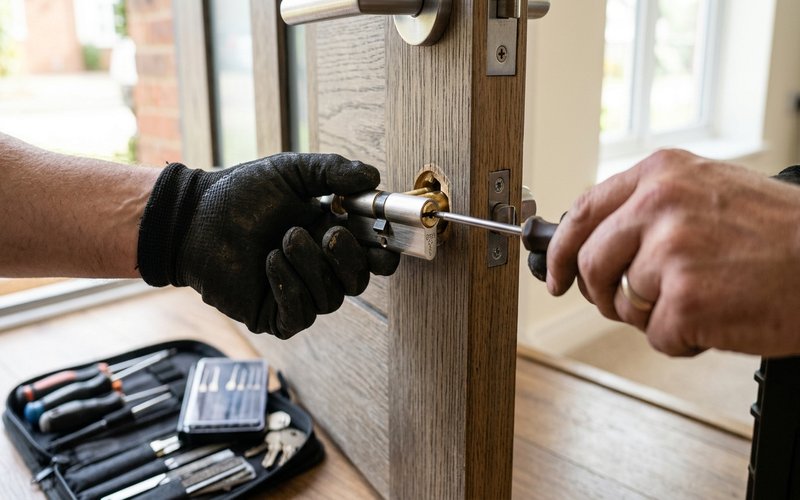
- Apply a graphite lubricant or silicone-based spray to your locks before the first freeze
- Cover exterior locks with protective shields or covers when possible
- Park your vehicle in a garage during particularly cold nights
- Ensure door weather stripping is in good condition to prevent moisture accumulation
- Keep a lock de-icer in your pocket or purse (not in your car) during fall and winter months
Increased Lock-Outs Due to Earlier Darkness
As daylight saving time ends and darkness arrives earlier each evening, Bay Shore residents experience a significant increase in lockout situations. The earlier sunset means people are arriving home in the dark, making it harder to locate keys in purses or pockets. The combination of poor visibility, cold fingers that are less dexterous, and the distraction of carrying groceries or managing children often leads to dropped keys, keys locked inside vehicles, or simply fumbling with locks in a way that leads to broken keys.
Statistics show that lockout calls to locksmiths increase by nearly 30% in the fall and winter months, with the majority occurring between 5 PM and 8 PM—right when most people are returning home from work. In the Bay Shore area, this is compounded by the fact that many residents may have left windows open during warmer fall days, only to find themselves locked out when they close everything up for a chilly evening.
To minimize your risk of a fall lockout:
- Install motion-activated lighting near all entry points to your home
- Keep a small flashlight on your keychain for better visibility
- Establish a routine for checking that you have your keys before closing car doors
- Consider installing a keyless entry system that doesn't require fumbling with keys in the dark
- Give a spare key to a trusted neighbor or family member who lives nearby
- Keep Bay Shore Locksmith's number saved in your phone for quick access in emergencies
Stuck and Jammed Locks from Falling Leaves and Debris
Fall in Bay Shore means beautiful foliage, but it also means leaves, twigs, and other debris that can wreak havoc on your locks. Outdoor locks, particularly those on gates, sheds, garages, and even front doors with covered porches, can accumulate leaf fragments, dirt, and organic matter that gets blown around during autumn winds. This debris can jam lock mechanisms, prevent keys from inserting fully, or cause locks to stick and become difficult to operate.
Padlocks are especially vulnerable to this problem, as they're often exposed to the elements without any protection. Even a small piece of a dried leaf can wedge itself into a lock cylinder and prevent proper key insertion. Additionally, the tannins and acids in decomposing leaves can actually cause corrosion if left in contact with metal lock components for extended periods.
Door locks on homes with mature trees nearby are particularly susceptible during windy fall days when leaves and seed pods are swirling through the air. If you live near the water in Bay Shore, salt air combined with organic debris creates an even more corrosive environment for your locks.
Preventive measures include:
- Regularly clean around lock areas, especially after windy days
- Install small covers or guards over exterior locks when not in use
- Blow out lock cylinders with compressed air monthly during fall
- Apply a protective lubricant designed for locks to create a barrier against debris
- Inspect locks weekly and remove any visible debris immediately
- Trim back trees and shrubs near entryways to reduce leaf accumulation
Broken Keys from Temperature-Related Metal Stress
Metal contracts when it gets cold, and your keys are no exception. The temperature fluctuations common during Bay Shore's fall season can cause metal fatigue in older keys, making them more brittle and prone to breaking. When you combine this brittleness with the increased force people often apply when dealing with stiff, cold locks, the result is a recipe for broken keys.
This problem is particularly common with car keys, which often have more intricate cuts and thinner profiles than house keys. Transponder keys and key fobs can also experience battery issues in colder weather, leading people to force mechanical backup keys that may already be weakened from age and use.
Worn keys are at the highest risk. If you've been using the same key for years, the metal has likely developed stress points at the deepest cuts. When subjected to cold temperatures and the twisting force required to operate a stiff lock, these weak points can snap, leaving part of the key stuck inside your lock.
To avoid broken key situations:
- Have keys duplicated before they show significant wear
- Avoid using excessive force when turning keys in locks
- Address sticky locks promptly rather than forcing keys
- Keep key fob batteries fresh, especially before winter sets in
- Consider having a locksmith inspect and service your locks before cold weather arrives
- Never use pliers or other tools to turn a key that won't budge
Fall Home Security Concerns and Lock Upgrades
Fall is often called "burglary season" by security professionals, and for good reason. The earlier darkness provides cover for potential intruders, and many Bay Shore residents haven't yet adjusted their home security routines to account for the changing daylight hours. Homes that were clearly occupied during long summer evenings may now appear empty by 6 PM, making them attractive targets.
Additionally, fall is a popular time for home improvement projects, meaning contractors, landscapers, and other workers may have had access to your property. While most service providers are trustworthy, this increased access can create security vulnerabilities if keys aren't properly managed or if workers have observed your security practices.
The back-to-school season also means changing household schedules, with teenagers coming home to empty houses or families establishing new routines that may inadvertently reveal patterns to observant criminals. In Bay Shore neighborhoods, the transition from summer's relaxed, open-door atmosphere to fall's closed-up homes can sometimes leave security gaps.
Consider these fall security upgrades:
- Upgrade to high-security deadbolts on all exterior doors
- Install smart locks that allow you to monitor and control access remotely
- Rekey locks if contractors or previous residents may have had keys
- Add additional lighting to entry points, especially those obscured by landscaping
- Consider a master key system if you have multiple entry points
- Install window locks and ensure all ground-floor windows are secure
- Replace any locks that show signs of wear or attempted tampering
Vehicle Lock and Ignition Issues as Temperatures Drop
Cars don't like temperature changes any more than people do, and fall's fluctuating temperatures can cause a variety of lock and ignition-related problems. Car door locks may become stiff or difficult to operate as lubricants thicken in cooler temperatures. Power lock systems may respond more slowly or intermittently as cold affects electrical systems and battery performance.
Ignition cylinders are particularly susceptible to fall weather issues. If there's been any moisture accumulation in your ignition system, the first cold snap can cause it to freeze or at least become much stiffer than usual. This often leads to keys that won't turn smoothly or, worse, keys that break off in the ignition.
Transponder keys and key fobs face their own fall challenges. Battery performance decreases in cold weather, and fobs that worked fine all summer may suddenly fail on a chilly October morning. This can be particularly frustrating when you're running late and suddenly can't start your car or unlock the doors remotely.
For Bay Shore residents who park on the street or in driveways, morning dew is another factor. The moisture that accumulates overnight can seep into locks and key fob battery compartments, causing corrosion and functionality issues over time.
Protect your vehicle's locks and keys:
- Replace key fob batteries annually, preferably before fall
- Keep locks lubricated with appropriate products designed for automotive use
- Park in a garage when possible to protect from moisture and temperature extremes
- Have a spare key and fob programmed and kept in a safe place
- Address any sticky or stiff locks immediately before they worsen
- Consider a remote start system to warm up your car and locks before use
Preparing Your Locks for Winter: Fall Maintenance Essentials
Fall is the ideal time to perform lock maintenance that will prevent problems throughout the coming winter months. Just as you prepare your home's heating system and weatherproof your windows, your locks deserve attention before the harsh weather arrives. Bay Shore's coastal location means exposure to salt air year-round, but the combination of salt, moisture, and cold in fall and winter is particularly harsh on lock mechanisms.
A comprehensive fall lock maintenance routine should include inspection of all locks for signs of wear, corrosion, or damage. Look for rust spots, difficulty turning keys, loose strike plates, or any unusual resistance when operating locks. These warning signs are easier to address in moderate fall weather than during a January cold snap.
Proper lubrication is critical. Many people make the mistake of using WD-40 or other general-purpose lubricants on locks, but these products can actually attract dirt and gum up over time. Instead, use a dry graphite lubricant or a silicone-based product specifically designed for locks. Apply lubricant to all moving parts, work the lock several times to distribute it evenly, and wipe away any excess.
Your fall maintenance checklist should include:
- Test all keys in all locks to ensure smooth operation
- Tighten any loose screws on strike plates, door handles, and lock housings
- Check door alignment, as settling can cause locks to misalign
- Clean lock cylinders with compressed air to remove debris
- Apply appropriate lubricant to all lock mechanisms
- Test deadbolt extension to ensure bolts are fully engaging
- Inspect weather stripping around doors to prevent moisture intrusion
- Consider rekeying if you've had staff turnover, moved recently, or lost keys
Emergency Preparedness: What to Do When Fall Lock Problems Strike
Despite your best preventive efforts, lock emergencies can still occur. Knowing how to respond appropriately can minimize damage, reduce stress, and get you back inside quickly and safely. The most important thing to remember is that attempting DIY solutions to serious lock problems often makes the situation worse and more expensive to repair.
If you're locked out of your home or vehicle, first assess whether there's a safe, damage-free way to gain entry. Check all doors and windows, but don't attempt to force entry or break windows unless there's a genuine emergency (like a child locked inside a vehicle). The cost of professional locksmith services is almost always less than repairing broken windows or damaged locks.
For broken keys stuck in locks, stop trying to remove them after your first gentle attempt. Each time you manipulate the broken piece, you risk pushing it deeper into the lock cylinder or damaging the internal pins. Professional locksmiths have specialized extraction tools designed to remove broken keys without damaging the lock.
When you need emergency locksmith services:
- Call a reputable local locksmith like Bay Shore Locksmith rather than using national call centers
- Be wary of unusually low prices quoted over the phone, as these may indicate bait-and-switch scams
- Ask for identification when the locksmith arrives and verify they're from the company you called
- Request an estimate before work begins, understanding that some assessments require examining the lock
- Ensure the locksmith is properly licensed and insured
- Keep contact information for trusted locksmiths saved in your phone before you need them
Conclusion: Stay Ahead of Fall Lock Problems in Bay Shore
Fall is a beautiful season in Bay Shore, but it brings unique challenges for your home and vehicle security systems. By understanding the common lock and key problems that occur during this transitional time of year, you can take proactive steps to prevent issues before they leave you locked out in the cold. Regular maintenance, proper lubrication, attention to weather-related concerns, and timely upgrades can save you from the frustration and expense of emergency locksmith calls.
Remember that your locks are your first line of defense against intruders and the elements. Investing a little time and attention to lock maintenance during fall can provide peace of mind throughout the winter months. Whether you need routine maintenance, emergency lockout services, or security upgrades, the team at Bay Shore Locksmith is here to help.
Don't wait until you're standing in the dark, cold evening trying to coax a frozen lock open or dealing with a broken key. Contact Bay Shore Locksmith today at our Brook St location to schedule a fall lock maintenance check or to discuss security upgrades for your home or business. Our experienced technicians serve all of Bay Shore and surrounding areas with fast, professional, and affordable locksmith services. Prepare your locks for the season ahead and enjoy fall in Bay Shore with confidence that your security is in expert hands.