
Home security starts with understanding the basics of lock safety and maintenance. As homeowners in Bay Shore, NY, protecting your family and property should be a top priority, and knowing essential locksmith safety tips can make all the difference between a secure home and a vulnerable one. Whether you're a new homeowner or have lived in your property for years, these expert insights will help you maintain optimal security and make informed decisions about your home's locks and access points.
Understanding Your Home's Lock Systems
Before implementing safety measures, it's important to understand the different types of locks protecting your home. Most residential properties use a combination of deadbolts, knob locks, and smart locks. Each type serves a specific purpose and requires different maintenance approaches.
Deadbolts are your primary defense against forced entry, featuring a solid metal bolt that extends deep into the door frame. Knob locks, while convenient, should never be your sole security measure as they're easier to compromise. Smart locks offer convenience and advanced features but require regular battery checks and software updates to function properly.
Regular Lock Maintenance Is Essential
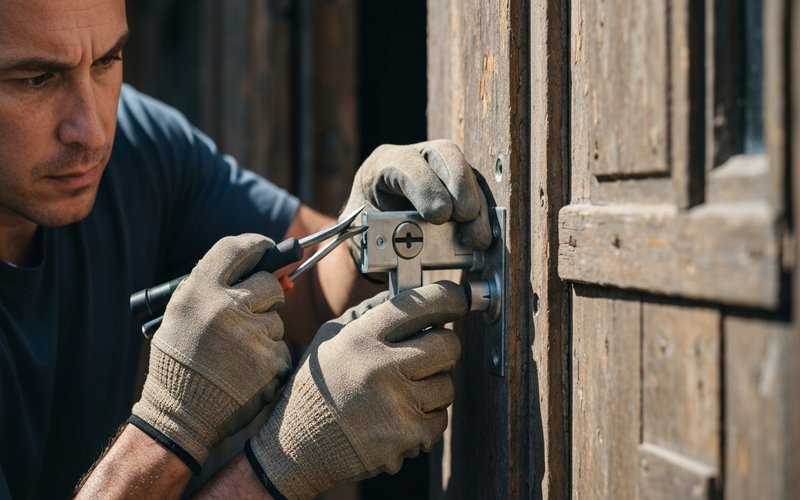
Many homeowners overlook the importance of routine lock maintenance until a problem occurs. Regular care extends the life of your locks and ensures they function correctly when you need them most.
Key maintenance practices include:
- Lubricating locks every six months with graphite powder or silicone-based spray
- Checking for loose screws on strike plates and hinges quarterly
- Testing all locks monthly to ensure smooth operation
- Cleaning keyholes to prevent debris buildup
- Inspecting weatherstripping around doors to prevent moisture damage
When to Rekey vs. Replace Your Locks
One of the most common questions homeowners face is whether to rekey or replace their locks. Understanding the difference can save you money while maintaining security.
Rekeying involves changing the internal pins and springs so old keys no longer work, while the lock hardware remains the same. This option is typically cheaper, costing between $80-$160 for most residential jobs, and is ideal when you've lost keys, moved into a new home, or ended a relationship with someone who had access.
Replacing locks entirely is necessary when hardware is damaged, outdated, or you want to upgrade to a more secure system. While more expensive initially, replacement allows you to modernize your security with features like smart technology or higher-grade locks that resist picking and bumping.
Security Upgrades Every Homeowner Should Consider
As lock technology evolves, so do the methods criminals use to bypass them. Staying ahead requires periodic security assessments and strategic upgrades.
High-priority security enhancements include:
- Installing Grade 1 deadbolts on all exterior doors (the highest ANSI/BHMA rating)
- Adding reinforced strike plates with 3-inch screws that anchor into wall studs
- Upgrading to pick-resistant and bump-proof locks
- Installing smart locks with access logs and remote monitoring
- Adding security pins to existing deadbolts
- Securing sliding doors with auxiliary locks or security bars
Common Lock-Related Mistakes to Avoid
Even with quality locks, certain behaviors can compromise your home's security. Awareness of these common mistakes helps you avoid unnecessary risks.
Never hide spare keys in obvious locations like under doormats, flowerpots, or fake rocks. Experienced burglars check these spots first. Instead, give a spare key to a trusted neighbor or invest in a secure key lockbox with a combination code.
Avoid using the same key for multiple doors, as this creates a single point of failure. If someone copies that key, they gain access to your entire property. Additionally, never leave keys in door locks, even on the interior side, as intruders can break a window and reach through to unlock the door.
Choosing a Reliable Locksmith Professional
Knowing when and how to select a trustworthy locksmith is crucial for both emergencies and routine services. Unfortunately, the locksmith industry has its share of scammers who exploit vulnerable homeowners.
Red flags to watch for include:
- Arriving in unmarked vehicles
- Refusing to provide identification or credentials
- Quoting extremely low prices initially, then dramatically increasing costs
- Insisting on drilling locks when other options exist
- Demanding cash-only payments
Regarding costs, most locksmiths charge between $50-$100 per hour, with call-out fees ranging from $15-$40 depending on time and location. Emergency after-hours service typically costs 50-100% more than standard rates. While tipping isn't mandatory, it's appreciated for exceptional service, especially during emergencies—10-15% is customary.
Situations Requiring Immediate Locksmith Services
Certain scenarios demand immediate professional attention rather than DIY attempts. Recognizing these situations prevents further damage and maintains security.
Call a locksmith immediately if you experience a break-in, even if entry wasn't gained through the locks. Professional assessment ensures no tampering occurred that could compromise future security. Similarly, lost or stolen keys require urgent rekeying to prevent unauthorized access.
Broken keys stuck in locks, malfunctioning smart locks, and frozen locks in winter all warrant professional help. Attempting to force these situations often causes more damage, increasing repair costs.
Protecting Your Home Year-Round
Home security isn't a one-time project but an ongoing commitment. Seasonal changes affect lock performance, with winter's freezing temperatures and summer's humidity both impacting functionality.
Schedule annual security audits to assess your entire system, update codes on electronic locks every few months, and stay informed about new security technologies that could benefit your home.
Secure Your Bay Shore Home Today
Implementing these locksmith safety tips significantly improves your home's security and gives you peace of mind. Whether you need routine maintenance, emergency lockout service, or a complete security upgrade, professional expertise ensures the job is done correctly.
For reliable, transparent locksmith services in Bay Shore, contact the professionals who understand local security needs. Visit us at 49-31 Brook St, Bay Shore, NY 11706, or call today for a security consultation. Don't wait until an emergency occurs—take proactive steps to protect what matters most.